The Ultimate Guide to Gourmet Food: What Makes It Special?
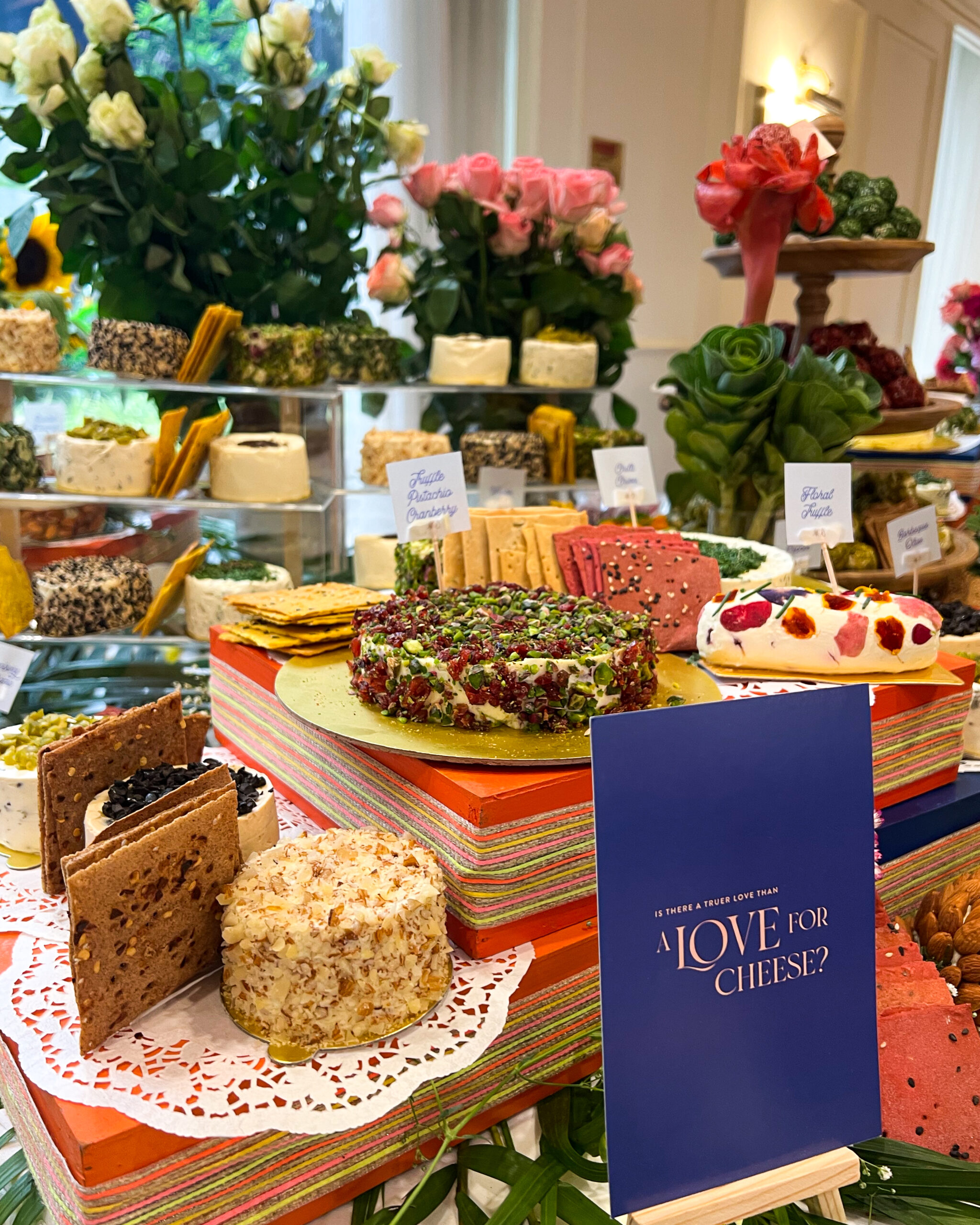
Food has always been an essential part of human culture, but for many people it goes far beyond simple nourishment. Culinary experiences can reflect creativity, tradition, and craftsmanship. Among the many food categories enjoyed around the world, gourmet food stands out for its exceptional quality, refined preparation, and distinctive flavors.
In recent years, gourmet cuisine has gained increasing attention among food enthusiasts, chefs, and home cooks alike. From premium cheeses and artisan chocolates to specialty oils and rare spices, gourmet foods represent a dedication to flavor, quality, and culinary artistry.
Across global culinary hubs including the United Arab Emirates more people are exploring the world of gourmet ingredients and artisanal products. Whether enjoyed in fine dining restaurants or prepared at home, gourmet food offers an elevated experience that celebrates both tradition and innovation.
This guide explains what gourmet food is, what makes it special, and how to recognize authentic gourmet products.
What Is Gourmet Food?
Gourmet food refers to high-quality food made with premium ingredients and prepared using skilled culinary techniques. It often emphasizes freshness, authenticity, and careful attention to detail.
While everyday meals typically prioritize convenience and affordability, gourmet food focuses on creating a refined experience that highlights taste, aroma, texture, and presentation.
The concept of gourmet food generally includes several defining characteristics:
High-quality or rare ingredients
Skilled preparation methods
Unique or complex flavor combinations
Artistic presentation
Limited or artisanal production
The term “gourmet” originally came from French culinary tradition, where it described a person with refined taste in food and wine. Over time, the word evolved to represent a higher standard of culinary excellence.
Today, gourmet cuisine includes both restaurant dishes prepared by professional chefs and premium food products designed for home cooking and entertaining.
The History and Evolution of Gourmet Cuisine
Understanding the origins of gourmet cuisine helps explain why it remains so influential today.
Early Culinary Traditions
The roots of gourmet cooking can be traced back to European culinary traditions, especially in France during the 18th and 19th centuries. French chefs developed sophisticated cooking techniques and introduced structured dining experiences that emphasized flavor balance and presentation.
These early culinary innovations laid the foundation for modern gourmet cuisine.
Expansion Across Global Food Cultures
As culinary ideas spread around the world, many regions adapted the gourmet concept by showcasing their own premium ingredients and traditional food craftsmanship.
Examples include:
Italy’s artisan cheeses and olive oils
Japan’s precision-focused culinary techniques
Spain’s specialty cured meats and seafood
Switzerland and Belgium’s renowned chocolates
Each culture contributed unique ingredients and preparation methods that continue to shape the global gourmet food landscape.
Modern Gourmet Food Movement
Today’s gourmet food culture has evolved beyond luxury restaurants. Modern consumers increasingly value:
Artisanal production methods
Ethical sourcing
Sustainability
Farm-to-table ingredients
These values have contributed to the growing popularity of gourmet food products that can be enjoyed at home.
What Makes Gourmet Food Special?
Several key factors distinguish gourmet food from ordinary meals. Together, these elements create a unique culinary experience.
1. Premium Quality Ingredients
One of the most important aspects of gourmet food is the use of high-quality ingredients. These ingredients are often carefully sourced and selected for their superior flavor and freshness.
Examples of well-known gourmet ingredients include:
Truffles
Saffron
Extra virgin olive oil
Artisan cheeses
Single-origin chocolate
Rare spices
These ingredients are typically produced in specific regions known for their expertise and environmental conditions.
For example, certain olive oils are valued for their unique flavor profiles influenced by soil, climate, and traditional harvesting methods.
2. Skilled Culinary Craftsmanship
Another defining feature of gourmet food is the level of expertise involved in its preparation.
Professional chefs and artisan producers often spend years mastering techniques that enhance taste and texture. These techniques may include:
Slow fermentation processes
Traditional aging methods
Precision cooking techniques
Handcrafted production methods
For example, artisan cheese makers carefully control temperature, aging time, and bacterial cultures to produce complex flavor profiles.
Similarly, chocolatiers may refine cacao beans through multiple stages to achieve a balanced taste and smooth texture.
3. Unique and Complex Flavor Profiles
Gourmet cuisine often focuses on creating layered and balanced flavors.
Rather than relying on simple taste combinations, gourmet dishes typically incorporate multiple flavor elements such as:
Sweet and savory
Rich and acidic
Bitter and creamy
Fresh and aromatic
This thoughtful approach to flavor design results in meals that are both satisfying and memorable.
4. Artistic Presentation
Presentation plays an important role in gourmet cuisine. Chefs carefully arrange ingredients to create visually appealing dishes that enhance the overall dining experience.
Attention to detail may include:
Elegant plating techniques
Balanced color combinations
Creative garnishes
Unique serving styles
The visual aspect of gourmet food helps transform a meal into a sensory experience that engages both the eyes and the palate.
5. Limited Production and Exclusivity
Many gourmet products are produced in small batches using traditional methods.
This limited production allows artisans to maintain strict quality control and preserve authentic flavors.
Examples of limited-production gourmet foods include:
Small-batch chocolates
Handcrafted cheeses
Seasonal specialty ingredients
Rare regional delicacies
Because these products require more time and expertise to produce, they are often considered more exclusive.
Popular Types of Gourmet Foods
Gourmet food covers a wide range of products and culinary categories. Some of the most popular include the following.
Gourmet Cheeses
Artisan cheeses are widely regarded as classic gourmet foods. Many are produced using traditional methods passed down through generations.
Examples include:
Brie
Camembert
Gouda
Roquefort
Aged cheddar
The flavor of cheese is influenced by factors such as milk type, aging conditions, and regional traditions.
Gourmet Chocolate
High-quality chocolate is another widely appreciated gourmet product.
Premium chocolate producers often focus on single-origin cacao beans, meaning the beans are sourced from a specific region known for its distinctive flavor characteristics.
Bean-to-bar chocolate makers carefully control the entire production process from harvesting cacao to crafting the final chocolate bar.
Gourmet Oils and Vinegars
Specialty oils and vinegars are essential ingredients in gourmet cooking.
Popular options include:
Cold-pressed extra virgin olive oil
Aged balsamic vinegar
Truffle-infused oil
Specialty fruit vinegars
These ingredients add depth and complexity to both simple and sophisticated dishes.
Gourmet Snacks and Appetizers
Even everyday snacks can become gourmet when made with high-quality ingredients.
Examples include:
Artisan crackers
Premium roasted nuts
Handcrafted popcorn
Specialty spreads and dips
These items are often served during social gatherings or tasting experiences.
Gourmet Spices and Seasonings
Spices play an important role in gourmet cooking because they can dramatically enhance flavor.
Some of the most sought-after gourmet spices include:
Premium saffron
Vanilla beans
Specialty pepper varieties
Unique spice blends
These ingredients allow cooks to experiment with new culinary styles and global flavor profiles.
The Rise of Gourmet Food in the UAE
The United Arab Emirates has become one of the world’s most dynamic culinary destinations.
Several factors have contributed to the growing popularity of gourmet food across the region.
Diverse Culinary Culture
The UAE is home to residents and visitors from many different countries. This cultural diversity creates demand for a wide variety of international ingredients and gourmet food traditions.
Restaurants and specialty food stores often showcase products from Europe, Asia, and the Mediterranean.
Luxury Dining Experiences
Cities like Dubai and Abu Dhabi are known for their vibrant fine dining scenes. Many restaurants offer innovative gourmet menus designed by internationally recognized chefs.
This emphasis on high-quality cuisine encourages greater appreciation for premium ingredients.
Access to Specialty Food Products
In recent years, consumers in the UAE have gained easier access to gourmet food through specialty retailers and curated online platforms.
Food enthusiasts exploring premium ingredients may discover collections through websites such as Maison Gourmestan, which highlight carefully selected gourmet products and culinary inspirations.
Health Benefits of Gourmet Food
Although gourmet food is often associated with luxury, it can also offer several health-related advantages when chosen thoughtfully.
Higher Ingredient Standards
Many gourmet producers emphasize natural ingredients and traditional preparation methods. This approach often results in fewer artificial additives and preservatives.
Nutrient-Rich Ingredients
Premium ingredients are often sourced from producers who focus on quality and freshness. This can help preserve important nutrients and natural flavors.
Encouraging Mindful Eating
Gourmet dining encourages people to slow down and appreciate the sensory experience of food. This mindful approach can lead to healthier eating habits and greater enjoyment of meals.
How to Identify Authentic Gourmet Products
As interest in gourmet food grows, it is important to understand how to recognize genuine premium products.
Examine Ingredient Quality
Authentic gourmet foods usually contain high-quality ingredients with minimal artificial additives.
Short ingredient lists often indicate a focus on natural flavors.
Look for Origin and Traceability
Many premium products clearly state where their ingredients come from. This transparency helps ensure authenticity and quality.
Examples include:
Single-origin chocolate
Region-specific olive oil
Specialty cheeses with geographic designation
Check Production Methods
Traditional techniques such as slow fermentation, aging, or handcrafting are often signs of authentic gourmet products.
Evaluate Packaging and Brand Transparency
High-quality gourmet foods often include detailed information about the producer, ingredients, and preparation process.
This transparency reflects the care that goes into producing the product.
How to Enjoy Gourmet Food at Home
You do not need to visit a luxury restaurant to enjoy gourmet cuisine. Many gourmet ingredients can easily be incorporated into home cooking.
Create a Gourmet Tasting Board
A tasting board is one of the simplest ways to explore gourmet flavors.
A typical board may include:
Artisan cheese
Premium nuts
Gourmet crackers
Honey or fruit preserves
Dark chocolate
This combination offers a variety of textures and flavor profiles.
Experiment With Flavor Pairings
Pairing ingredients thoughtfully can elevate even simple dishes.
Examples include:
Olive oil with fresh bread
Cheese with figs or honey
Chocolate with espresso or coffee
These pairings allow each ingredient’s flavor to stand out.
Upgrade Everyday Recipes
Using premium ingredients can transform basic meals into gourmet experiences.
For example:
High-quality olive oil can enhance salads and pasta dishes
Artisan cheese can elevate sandwiches or baked dishes
Specialty spices can add depth to traditional recipes
Why Gourmet Food Is Worth Exploring
Gourmet food represents more than just luxury. It reflects a deeper appreciation for culinary craftsmanship and cultural tradition.
By focusing on quality ingredients, skilled preparation, and thoughtful presentation, gourmet cuisine transforms everyday meals into memorable experiences.
As global interest in premium foods continues to grow, more people are discovering the enjoyment of exploring new ingredients, flavors, and culinary traditions.
For food enthusiasts in the UAE and beyond, curated gourmet selections and educational platforms including resources such as Maison Gourmestan help introduce the rich and diverse world of gourmet cuisine.
Frequently Asked Questions (FAQ)
What is considered gourmet food?
Gourmet food refers to high-quality food made with premium ingredients and prepared using expert culinary techniques.
Why is gourmet food more expensive?
Gourmet products often involve rare ingredients, traditional preparation methods, and small-batch production, which can increase production costs.
What are examples of gourmet foods?
Examples include artisan cheeses, truffles, premium chocolates, specialty olive oils, and handcrafted desserts.
Is gourmet food healthier?
Many gourmet foods focus on natural ingredients and minimal processing, which can support better nutritional quality.
Where can people buy gourmet food in the UAE?
Gourmet food can be found in specialty stores, fine dining restaurants, and curated online platforms such as Maison Gourmestan.
Comments
Post a Comment